

From Injury to Recovery: How Collagen-Based Therapies Are Changing Wound Healing
Every wound tells a story from the moment of injury to the final stage of recovery. While the body has an incredible ability to heal itself, modern medicine continues to find ways to support and improve that process. One of the most significant advancements in recent years is the use of collagen-based therapies in wound care.
Collagen is not just a skincare trend. It is a fundamental building block of the skin and connective tissue. Today, therapies built around collagen are helping transform how wounds are managed, especially in cases where healing is slow or complicated.
Understanding the Healing Journey
Wound healing happens in stages. First comes inflammation, where the body works to prevent infection. Next is tissue formation, when new cells begin rebuilding damaged areas. Finally, the remodeling phase strengthens the new tissue.
Collagen plays a crucial role in each of these stages. It acts as a structural framework that allows new skin cells to grow in an organized way. Without enough collagen support, healing may take longer and the risk of visible scarring can increase.
That is why collagen-based wound therapies are gaining wider acceptance in clinical settings.
What Makes Collagen-Based Therapies Different?
Traditional wound dressings primarily serve as protective barriers. While they are essential for shielding wounds from contamination, they do not always actively support tissue regeneration.
Collagen-based therapies, however, go beyond basic coverage. They interact directly with the wound bed and help create an environment that supports natural repair. These therapies can:
- Encourage new tissue growth
- Help regulate moisture levels
- Support faster wound closure
- Promote healthier skin regeneration
By providing structural support at the injury site, collagen helps guide the healing process more efficiently.
Supporting Challenging Wounds
Collagen therapies are particularly valuable in cases where healing is delayed. This may include:
- Post-surgical wounds
- Chronic wounds
- Diabetic ulcers under medical supervision
- Pressure injuries
- Traumatic skin damage
In such situations, adding collagen support can make a noticeable difference in recovery time and tissue quality.
Collagen particles, for example, are designed to be applied directly to the wound surface. They help absorb excess fluid while maintaining the moisture balance necessary for proper healing. This balance is essential to avoid dryness that slows repair or excessive moisture that increases infection risk.
Improving Outcomes Beyond Closure
Modern wound care focuses not only on closing wounds quickly but also on improving the quality of recovery. The goal is stronger tissue, reduced discomfort, and minimized scarring.
Collagen-based therapies support this broader objective by helping the skin rebuild itself in a structured manner. When healing is guided effectively, the final outcome often includes smoother skin texture and improved durability of the repaired area.
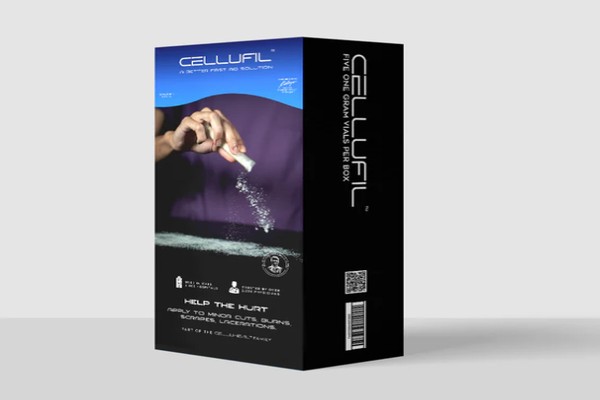
Products such as Cellufil® Collagen Particles are developed to provide collagen support directly at the wound site. When used appropriately and under guidance, they help optimize the healing environment and support natural tissue regeneration.
You can learn more about collagen-based wound care options here:
https://www.celluheal.com/products/cellufill-collagen-particles
A Changing Landscape in Wound Management
The shift toward collagen-based therapies reflects a larger movement in healthcare – one that prioritizes regenerative support over passive protection. Instead of simply covering wounds and waiting, clinicians now look for solutions that actively assist the body’s repair mechanisms.
As research continues, collagen-based approaches are expected to remain central to advanced wound care strategies.
From injury to recovery, the healing journey is becoming smarter, more efficient, and more supportive. Collagen-based therapies are helping lead that transformation offering patients a more confident path toward complete skin repair.

- 20/20 Eyeglass Superstore: Why It’s the Eye Care Choice for Central Florida - September 30, 2026
- Can Cataract Surgery Improve Night Vision? - August 24, 2026
- Reusable Filter Air Purifiers: Making Sense of the Value Proposition - August 22, 2026