
How Modern Regenerative Therapies Are Reshaping Shoulder Care?
Shoulder discomfort can develop for many reasons, including athletic strain, physically demanding jobs, aging, or years of repetitive movement. For a long time, treatment options focused mainly on reducing pain, restoring mobility through rehabilitation, or performing surgery when structural damage became severe. Today, regenerative medicine is introducing a different perspective by emphasizing the body’s natural ability to repair and recover. While this field continues to evolve through ongoing research, it is already influencing how many healthcare providers approach shoulder care.
A Shift From Symptom Management To Tissue Support
Traditional treatment plans often aim to reduce inflammation and improve function. Pain medication, corticosteroid injections, and physical therapy can be valuable, but they primarily address symptoms or help patients adapt to existing damage.
Regenerative therapies, on the other hand, seek to create an environment that encourages biological healing. Instead of concentrating only on pain relief, these approaches focus on supporting damaged tissues as they recover. This represents a meaningful shift in treatment philosophy for patients looking beyond temporary solutions.
Personalized Treatment Planning
Modern shoulder care recognizes that no two injuries are identical. Factors such as age, activity level, occupation, medical history, and the extent of tissue damage all influence treatment decisions.
Regenerative medicine fits well within this personalized model because physicians carefully evaluate each patient’s condition before recommending therapy. Advanced imaging, physical examinations, and functional assessments help determine whether a regenerative approach may complement an individual’s overall recovery plan rather than relying on a one-size-fits-all strategy.
Earlier Intervention For Active Individuals
Many active adults would rather deal with shoulder issues before they worsen to the point where invasive operations are necessary. Early evaluation allows healthcare providers to identify tissue changes that may still respond to conservative management.
This proactive mindset has encouraged greater interest in regenerative therapies among recreational athletes, fitness enthusiasts, and professionals whose careers depend on maintaining shoulder strength and flexibility. Addressing issues before significant deterioration occurs may help preserve long-term joint function.
Supporting Rehabilitation Rather Than Replacing It
Successful shoulder recovery rarely depends on a single treatment. Even with advances in regenerative medicine, rehabilitation remains one of the most important components of restoring normal movement.
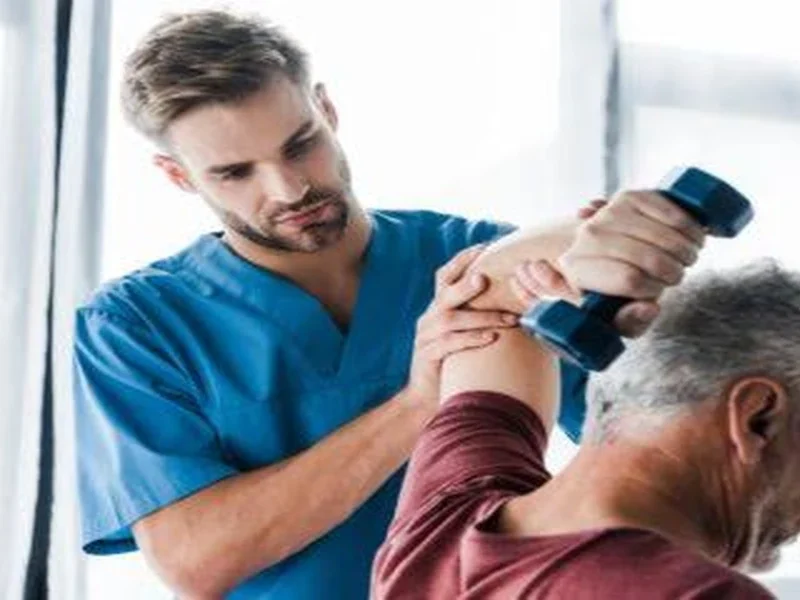
Physical therapists guide patients through carefully structured exercises that improve flexibility, strengthen surrounding muscles, and rebuild joint stability. When combined appropriately, regenerative treatments and rehabilitation can work together to promote a more comprehensive recovery process rather than functioning as competing options.
Technology Is Improving Precision
Medical technology has significantly enhanced the delivery of regenerative therapies. High-quality imaging techniques allow physicians to identify affected structures with greater accuracy and guide treatments directly to targeted areas.
This precision helps support consistent clinical practices while minimizing unnecessary intervention in surrounding healthy tissues. Improved diagnostic tools also make it easier to monitor progress throughout the recovery journey and adjust treatment plans when needed.
Growing Interest Across Different Patient Groups
The appeal of regenerative medicine now extends well beyond professional athletes. Office workers dealing with repetitive strain, older adults hoping to remain independent, and individuals recovering from recreational injuries are increasingly discussing these options with healthcare providers.
For many patients researching Stem cells to help with shoulder injuries, regenerative medicine represents an opportunity to explore treatments that focus on supporting natural healing while remaining part of a broader physician-supervised care plan.
Looking Toward The Future Of Shoulder Care
As scientists try to better understand how biological therapies may aid in tissue repair and functional recovery, research into regenerative medicine keeps growing. Clinical studies are exploring patient selection, treatment timing, and long-term outcomes to help refine best practices.
As scientific evidence grows, regenerative approaches may become even more integrated with orthopedic care, sports medicine, and rehabilitation programs. Continued innovation could lead to more personalized treatment pathways that combine biological therapies with exercise-based recovery and advanced diagnostic techniques.
Conclusion
Modern regenerative therapies are changing the conversation around shoulder care by placing greater emphasis on restoring function through the body’s own healing potential. Rather than focusing solely on symptom control, today’s treatment strategies increasingly consider biological repair, personalized care, precise diagnostics, and structured rehabilitation as interconnected parts of recovery. Although regenerative medicine is not appropriate for every shoulder condition, its continued development is helping reshape expectations for patients seeking effective, individualized, and forward-thinking approaches to maintaining shoulder health.
