
So You Just Had a Root Canal: What Are CERAC crowns?
You just had a root canal, but your dentist is looking at a flat, white spot on your X-ray and talking about getting you a crown right away. It seems fast, especially since you still have the rubber bib tied around your neck and the mouth anesthesia is wearing off. This usually means the tooth doesn’t have enough structure left to handle chewing or biting forces.
Why Might My Root Canal Tooth Need a Crown?
When the dentist does a root canal (see post), they go through the top of the tooth (the occlusal surface) to get to the canals inside the tooth. If there was decay, a silver filling or a crack, even more tooth might be gone. What’s left can look like an empty shell with weak sides.
The back teeth take the most stress from chewing, especially things like toast, carrots and the hard bits of popcorn. A crown covers those cusps and helps spread the force. Sometimes the front teeth don’t need a full crown because they don’t take as much stress and have more good tooth left.
How Are Same-Day Ceramic Crowns Made?
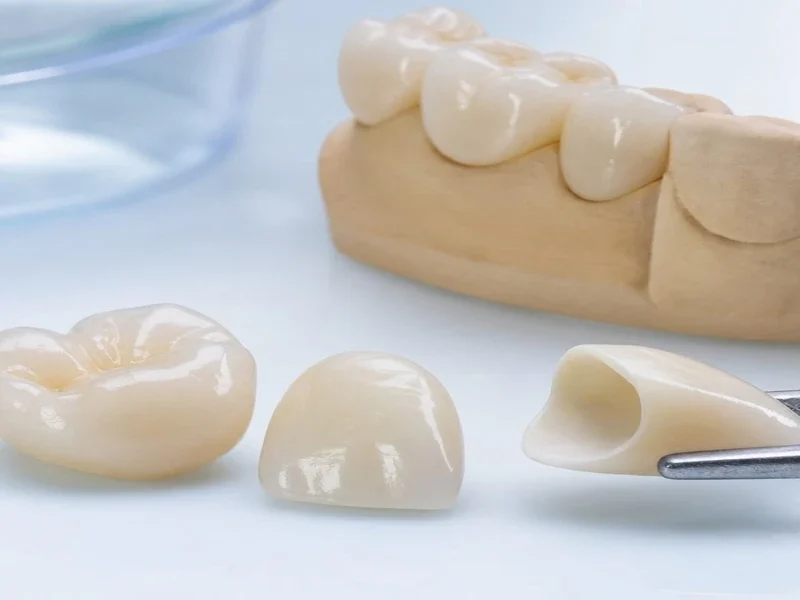
People wondering what are CERAC crowns can learn that they are made in the dental office on the same day as the root canal using ceramic materials. There is no thick putty impression taken. The dentist uses a small digital camera to take pictures of the tooth that was prepped for a crown. They also take pictures of the teeth above and below the one being crowned. These pictures make a 3-D picture of the teeth on a computer screen.
Digital scan used to design a same-day ceramic crown
The dentist can make changes to the tooth design on the screen. They can change the tightness of the fit with the neighbor tooth, the contacts that the floss slides past, and the bite shape. Then a machine cuts the crown out of a solid piece of ceramic using tiny drills. You can see some white dust from the drill when it runs behind a clear cover on the machine.
After the crown is cut, it can be polished, painted and baked in a small oven to make it strong and look natural. The dentist then puts it in your mouth and trims it down until the bite feels right, and glues it onto your tooth. This can save you from getting a temporary plastic crown and another appointment for anesthesia.
Can a Ceramic Crown Go on a Root Canal Molar?
Sometimes yes. The dentist will look at how much tooth is left, how much room there is for the crown, and how hard the tooth pushes against the other teeth. If the tooth is flat, broken or you wake up with a sore jaw (there is a useful breakdown at https://mayoclinic.org/diseases-conditions), it could mean the biting forces are too much for a ceramic crown. If you chew on ice, bite shells or hold pins in your teeth, that also increases the chance of damage. Ceramics come in different colors and strengths, so which type of ceramic is used can matter.
When a Crown Is Not the Best Choice
There are times when CERAC crowns or any in-office milled crown may not work. If there is a crack going under the gumline, if the area around the tooth is bleeding, or if there isn’t enough tooth left to hold a crown, then the dentist won’t use this technique. If the molar is short and broken down, it might need a base or other procedure first before it can hold a crown. Sometimes, a crown needs to be made in a lab so it can be stronger, have more precise coloring, or work with a more complex bite. A partial coverage crown called an onlay might be better in some cases, or a deep crack might make the tooth unable to be saved. The dentist may also wait to cement a crown if there is still swelling, a pimple on the gums or pain on biting.
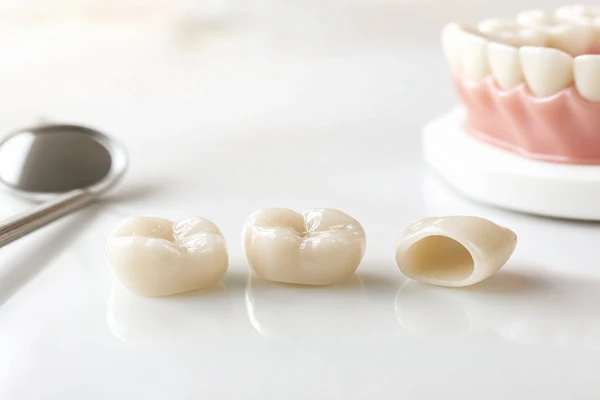
Dentist examining whether a root canal tooth can support a ceramic crown
Don’t chew until your mouth is no longer numb, or you could bite your cheek or tongue. You might have some soreness in your gums, but your crown shouldn’t feel high.
Floss around the crown every day. Contact us if it feels loose or continues to hurt.
Things to Ask Before a Crown is Put on a Root Canal Tooth
Before the dentist takes out the digital camera to scan the tooth, it is helpful to ask:
- How much good tooth is left around the white spot?
- What type of ceramic is being used on this molar and why?
- Are there cracks that I can see under the bright light or on my X-rays?
- Do you see any signs that I grind my teeth and should get a night guard?
- Would a lab crown or something else be better for my tooth?
- What kind of problems, such as swelling or pain when biting, would mean I shouldn’t glue down a crown?
