
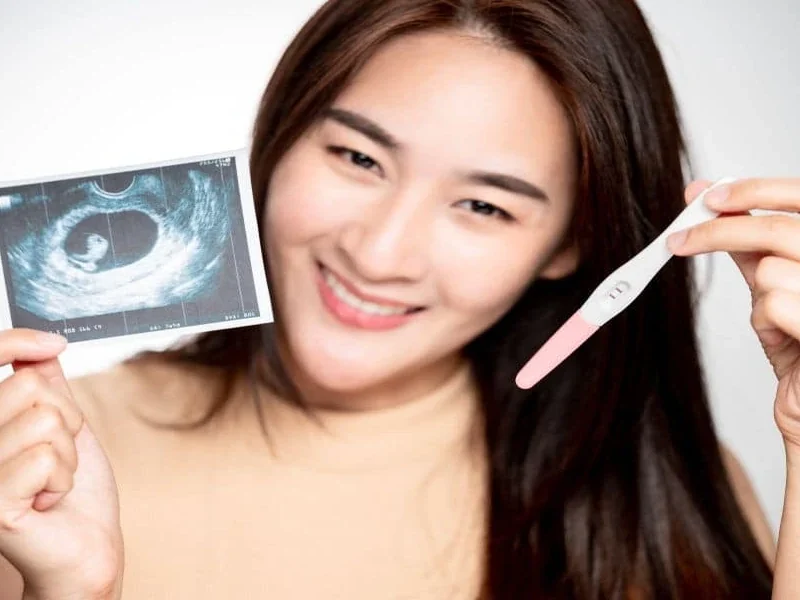
How ICSI Thailand Addresses Infertility Challenges
Intracytoplasmic Sperm Injection is a specialized mode of fertility treatment to some infertility problems. This guide discusses the nature of ICSI, as well as its role in treating particular fertility issues. This overview can be used by anyone looking at fertility treatment options to learn about this procedure.
How ICSI Thailand addresses infertility challenges and what couples can expect from the treatment
What is ICSI
ICSI is a procedure used in fertility treatment to assist fertilization by the injection of a single sperm into an egg. This method differs with the traditional in vitro fertilization whereby the interaction between the sperms and the eggs is natural. The awareness of this difference allows explaining why icsi thailand is appropriate in the specifics of fertility.
Who is ICSI suitable for
ICSI is normally used in addressing certain fertility issues in which traditional fertilization techniques might not be effective. Knowledge of such a case contributes to the explanation of why fertility experts advise such a solution to some patients. This suitability assessment is still a significant step in early treatment planning. Consider these circumstances:
- Male factor infertility: Low count or trouble with motility of sperms usually result in ICSI being a good choice of treatment.
- Previous fertilization failure: Couples that have failed to fertilize using the conventional IVF could use ICSI.
- Surgically retrieved sperm: Cases of surgically retrieved sperm may have to be subjected to ICSI in order to be fertilized successfully.
ICSI treatment process step by step
Knowledge of the use of the ICSI treatment process makes patients feel ready prior to starting fertility treatment. This is normally done through a number of stages that are well coordinated within a larger IVF treatment chronicle. Knowing of these steps will aid in knowing what to expect during treatment. These steps in the process are to be considered:
- Ovarian stimulation phase: This stage is aided by medication to enable multiple mature eggs to be developed to be retrieved.
- Egg retrieval procedure: Under the influence of sedation, collected mature eggs undergo a small surgical operation.
- Sperm preparation and selection: Only one sperm that is healthy is very selectively chosen and injected into each egg.
- Direct sperm injection: Sperm that has been selected is directly injected to each of the mature eggs.
Understanding ICSI success rate factors
The success rates of ICSI are interrelated and reliant on several factors influencing general success of the treatment. This is because it is known that in order to create realistic expectations before one embarks on the treatment cycle, one needs to know these factors. Such knowledge is conducive to better-informed discussions with fertility experts. Consider these factors:
- Maternal age influence: It has been seen that young patients tend to be more successful in ICSI treatment.
- Egg and sperm quality: The better the quality of the gametes the better they are reported to aid in fertilization and pregnancy.
- Embryo culture conditions: Conditions in the laboratory considerably affect embryo development and viability.
Post-procedure monitoring and next steps
Embryos are monitored after ICSI fertilization, prior to possible transfer or freezing. Being contrasted with the fruit of the actual fertilization process, understanding of this step also facilitates the explanation of what is normally subsequent after the fertilization process itself. This tracking will aid in making informed decisions regarding subsequent treatment. Take into account the following steps:
- Embryo development monitoring: Experts test the development of embryos within a few days, after conception.
- Transfer timing: Fertility teams decide the optimal time when embryo transfer procedures are performed.
Conclusion
ICSI is applied in the special infertility cases with the use of direct injection of sperm into the eggs. Knowledge of this process and success factors can assist the patients in making good decisions regarding the treatment processes. It is still important to consult a qualified fertility specialist in order to get tailored treatment advice.

- How ICSI Thailand Addresses Infertility Challenges - August 18, 2026
- Enhancing Skin Quality Through Expert Led Cosmetic Treatments In Sydney - July 9, 2026
- Clinic Near Me: Your Complete Guide To Fast, Reliable Care 🏥 - April 20, 2026