
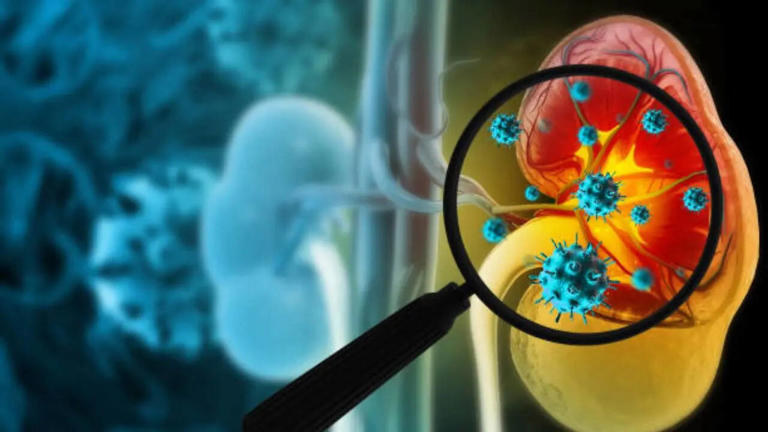
lThe Silent Indicators: 7 Early Warning Signs of Kidney Disease You Shouldn’t Ignore
The kidneys silently work in the human body, constantly filtering waste and supporting essential functions without drawing attention. Because they perform so reliably, many people rarely think about kidney health until something goes wrong. Early signs are often subtle and easily overlooked or mistaken for everyday fatigue or stress, which makes awareness especially important.
Noticing small changes in the body allows people to take early action and protect long-term health without panic or fear. Kidney care today places strong emphasis on early awareness and consistent daily habits. Health experts frequently point out that recognizing early signals plays a crucial role in maintaining kidney function over time. The body often gives quiet warnings before serious problems appear, and learning to notice these signs can make a meaningful difference in long-term well-being.
Changes in Urination Patterns
One of the first areas to notice change is urination. Kidneys regulate fluid balance, so any shift here matters.
- Urinating more often, especially during rest hours.
- Producing much less urine than usual.
- Urine appears foamy or unusually dark.
Initially, these symptoms might appear benign, but repeated patterns should not be ignored, as early awareness plays an important role in effective chronic kidney disease management and long-term kidney health.
Ongoing Fatigue and Weakness
Kidney problems can lead to waste accumulating in the bloodstream. This, in turn, causes weak feelings to become a regular one, and the person who suffers from it gets accustomed to such tiredness.
- Low energy even after rest
- Trouble focusing during daily tasks
- Feeling drained withouta clear reason
This type of fatigue feels deeper than normal tired days and tends to linger.
Swelling in Hands or Feet
Healthy kidneys remove extra fluid. When they do not, swelling can show up.
- Puffiness around ankles and feet
- Swollen fingers that feel tight
- Facial swelling, especially around the eyes
Swelling that appears regularly deserves attention, even if it fades during the day.
Changes in Skin Condition
Skin can reflect internal balance. Kidney issues may affect skin health over time.
- Dry and itchy skin without a clear cause
- Skin feels tight or irritated often
- Changes that do not improve with routine care
These signals suggest a mineral or fluid imbalance inside the body.
Appetite and Taste Shifts
Kidney stress can affect digestion and taste perception.
- Reduced interest in meals
- Metallic or unusual taste in the mouth
- Feeling full quickly
When appetite changes last for weeks, they are worth noting.
Trouble Sleeping Well
Sleep quality often drops when toxins build up.
- Restless nights with frequent waking
- Difficulty falling asleep
- Daytime sleepiness despite long rest
Poor sleep tied to physical discomfort should not be dismissed as routine stress.
Lower Back Discomfort
Pain in the lower back area can sometimes be linked to a kidney strain.
- Dull ache on one side of the back
- Discomfort that does not improve with movement
- Pain paired with urinary changes
Not all back pain involves the kidneys, but patterns matter.
Paying attention to these signals supports better health choices. For people focusing on long-term kidney care and chronic kidney disease management, early awareness allows smoother planning and timely professional guidance. It also helps reduce fear by replacing guesswork with understanding.
Timely response is not the major point concerning kidney health. The issue is mainly that of early sign identification and treatment options. The health of those organs is going to be increased without much effort by just doing some very easy things like visiting the doctor regularly, taking in enough water, and being conscious of one’s own body. And when the initial symptoms are detected, it normally becomes less risky and rather easier to choose the following action, which consequently, encourages the affected ones to live an active and self-assured lifestyle.

- THC Mints Versus Traditional Edibles: What Is Different? - February 10, 2026
- Lipid Profile Test: Purpose and Procedure - February 2, 2026
- Beyond the Chair: Dr. Lee Weisbard on 30 Years of Compassionate Dentistry in the DTC - January 17, 2026