
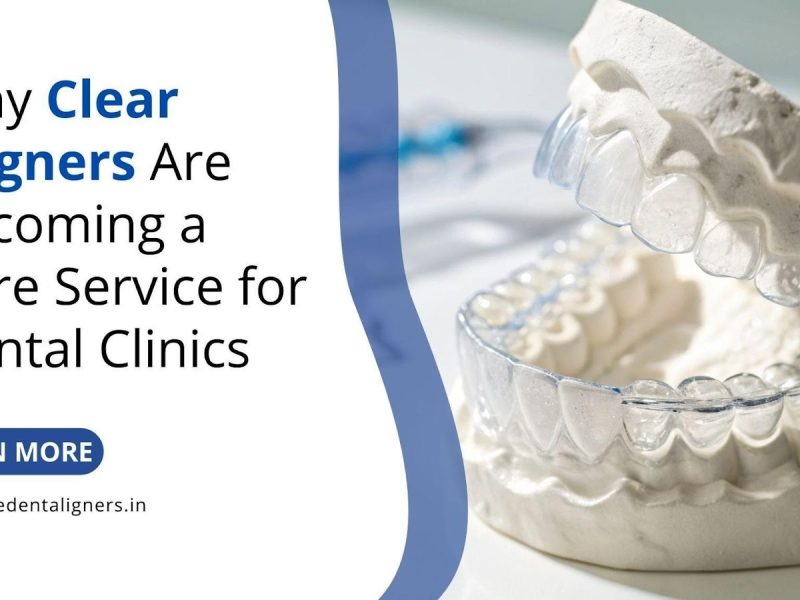
Why Clear Aligners Are Becoming a Core Service for Dental Clinics
Dental care has evolved rapidly over the last decade, and patient expectations have changed just as fast. Today’s patients are not only concerned about oral health but also about aesthetics, comfort, and convenience. This shift has pushed dental clinics to expand beyond traditional treatments and adapt to modern solutions. One such solution that has moved from being an “optional add-on” to a core offering is clear aligner therapy. What was once considered a niche orthodontic option is now becoming an essential part of many dental practices.
At the heart of this shift is growing patient awareness and acceptance. People are more informed, more comparison-driven, and more vocal about what they want from their dental care. The demand for discreet orthodontic solutions has grown steadily, especially with the increasing visibility of smile transformations on social media. As a result, interest in teeth aligners in india has risen significantly, making aligner-based treatment a relevant and practical service for clinics across urban and semi-urban regions alike.
Changing Patient Expectations in Modern Dentistry
One of the biggest reasons clear aligners are becoming a core service is the change in how patients approach dental treatment. Earlier, orthodontic care was often associated with teenagers and metal braces. Today, adults make up a large portion of orthodontic patients. These patients typically look for solutions that fit seamlessly into their professional and social lives.
Clear aligners meet these expectations by offering a nearly invisible alternative to traditional braces. They allow patients to maintain confidence while undergoing treatment, without the self-consciousness often linked to wires and brackets. From a clinic’s perspective, offering aligners aligns perfectly with this evolving mindset and helps meet patient needs more effectively.
Clinical Versatility and Broader Case Acceptance
Another important factor is the expanding range of cases that can be managed with aligner therapy. Advances in digital treatment planning and material science have made it possible to address mild to moderate malocclusions with greater predictability. While traditional braces still have their place, aligners now cover a wide spectrum of orthodontic concerns.
For dental clinics, this means aligners are no longer limited to cosmetic cases. They can be integrated into comprehensive treatment plans, including pre-restorative or pre-prosthetic alignment. This versatility makes clear aligners a practical and clinically valuable service rather than just an aesthetic upgrade.
Seamless Integration into Existing Practice Workflows
Clear aligner therapy fits well into the workflows of modern dental clinics. With digital impressions, virtual treatment planning, and fewer emergency visits compared to braces, aligners often simplify case management. This efficiency benefits both clinicians and patients.
For dentists who want to know more about optimizing chair time and improving patient experience, aligners present a compelling option. Appointments are usually shorter, adjustments are minimal, and follow-ups can often be scheduled more flexibly. Over time, this can lead to smoother operations and better time management within the clinic.
Growing Demand Driven by Lifestyle Factors
Lifestyle changes also play a major role in the popularity of clear aligners. Busy schedules, frequent travel, and increased screen-facing interactions have made discreet dental solutions more desirable than ever. Patients appreciate the ability to remove aligners during important meetings, social events, or meals.
This lifestyle compatibility has made aligners especially appealing to working professionals and young adults. Clinics that offer aligner therapy are better positioned to serve this growing demographic, ensuring they remain relevant in a competitive dental market.
Technology as a Trust-Building Tool
Clear aligner treatment is closely tied to digital technology, which helps build trust and transparency with patients. Digital scans, 3D treatment simulations, and visual progress tracking allow patients to see their treatment journey before it even begins. This clarity often improves case acceptance and patient confidence.
For clinics, adopting aligner therapy also signals a commitment to modern, technology-driven care. It shows that the practice is keeping pace with industry advancements rather than relying solely on conventional methods.
Economic and Strategic Benefits for Clinics
From a business standpoint, clear aligners contribute to long-term sustainability. They attract new patient segments, encourage referrals, and often lead to higher patient retention. Patients who begin orthodontic treatment with a clinic are more likely to return for other dental services over time.
However, it’s important that clinics approach aligner therapy responsibly. Rather than positioning it as a “quick cosmetic fix,” successful practices focus on education, realistic expectations, and clinical appropriateness. This balanced approach ensures ethical care while maintaining trust.
Local Presence and Accessibility Matter
As aligner therapy becomes more common, patients also pay attention to accessibility and support. Many aligner providers emphasize regional availability and clinical collaboration. For example, Eledent Aligners has its headquarters in Delhi and Mohali, which reflects the growing focus on localized operations and closer coordination with dental professionals in India.
Such regional presence often reassures clinics and patients alike, without needing aggressive promotion or exaggerated claims.
The Future of Orthodontic Services in Dental Clinics
Looking ahead, clear aligners are likely to remain a core component of dental clinics rather than a passing trend. As technology continues to improve and patient awareness grows, aligner therapy will become even more refined and accessible.
For dental clinics, the decision to include clear aligners is less about following trends and more about responding to genuine patient needs. Clinics that integrate aligner therapy thoughtfully—while maintaining clinical integrity—are better equipped to deliver comprehensive, patient-centered care.
In conclusion, clear aligners are becoming a core service because they sit at the intersection of modern patient expectations, clinical efficiency, and technological advancement. They support a more flexible, discreet, and transparent approach to orthodontic care. As dentistry continues to evolve, aligner therapy represents not just a treatment option, but a reflection of how dental clinics are adapting to a new era of care.
#EledentAligners #EledentSmile

- THC Mints Versus Traditional Edibles: What Is Different? - February 10, 2026
- Lipid Profile Test: Purpose and Procedure - February 2, 2026
- Beyond the Chair: Dr. Lee Weisbard on 30 Years of Compassionate Dentistry in the DTC - January 17, 2026