
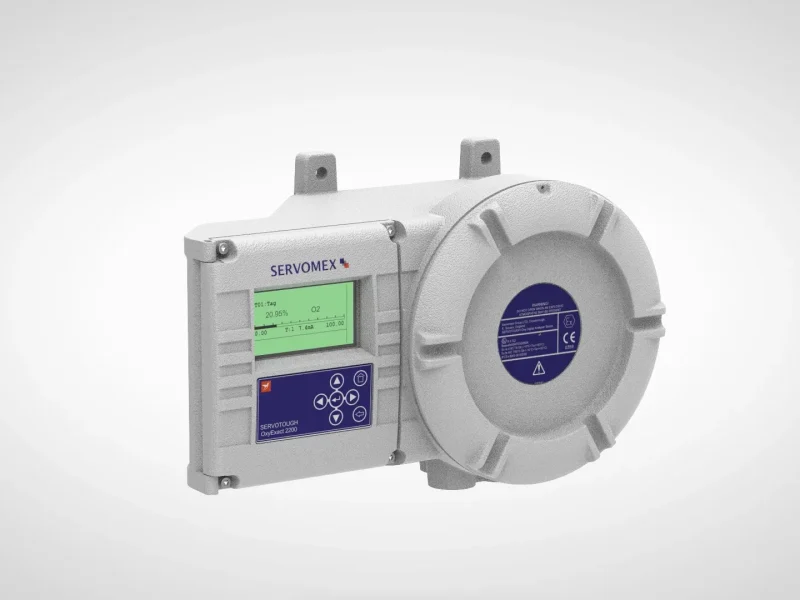
Calibration-Ready Oxygen Analyzers Secure Accurate Measurements Throughout Intensive Applications
Reliable analyzers shape consistent decisions across demanding operational environments requiring steady performance. Their structured calibration support helps each measurement remain dependable across extended conditions. Precision stays stable through rigorous verification stages supported by the farley o2 analyzer, guiding confident interpretation. Every reading gains smoother clarity once balanced components maintain control under shifting operational pressure.
Precision Framework Supporting Critical Readouts
Steady accuracy forms a solid base that supports consistent analyzer performance. Reliable measuring behavior helps each reading fall within dependable expectations. Structured calibration routines ensure these instruments remain aligned across long operational cycles.
- Steady frameworks guide sensitive oxygen readouts
- Calibrated alignment keeps output values balanced
- Verification points strengthen reliable measurement flow
- Stable mechanics support consistent analyzer reactions
These aligned systems reinforce clarity during demanding tasks while preventing abrupt output shifts. Better interpretation grows naturally as dependable performance remains visible during extended operational stretches. Overall confidence strengthens as precision behaves consistently across varying application pressures.
Stability Layers Reinforcing Continuous Operation
Reliable internal layering gives analyzers the ability to maintain smooth behavior. Each component works together to preserve a dependable operational flow. These layers support consistent performance even during increased activity periods.
- Integrated controls stabilize oxygen measurement paths
- Reinforced structures minimize unexpected output drift
- Responsive systems maintain dependable reading behavior
- Continuous checks keep internal balance steady
These combined factors help the device operate with fewer irregularities across challenging cycles. Stability becomes easier to trust once performance remains smooth despite heavy usage.
What Drives Trust Across Intensive Monitoring?
Trust grows when analyzers respond consistently under pressure while maintaining predictable readouts. Users look for steady behavior during heavy workloads because it strengthens dependable interpretation. Confidence increases further as each measurement aligns with expected values across shifting conditions. This sense of reliability becomes essential during extended observational periods requiring uninterrupted clarity.
Integrated Pathways Improve Analyzer Responsiveness
These pathways guide reading consistency by linking internal operations in a balanced structure. Their arrangement supports faster adjustments whenever output behavior shifts unexpectedly. Proper calibration helps each pathway keep measurements aligned with overall performance expectations.
- Linked components improve reading stabilization speed
- Balanced circuitry supports consistent output clarity
- Integrated functions reduce unnecessary interpretation gaps
- Calibrated segments maintain stable analyzer reactions
A stronger sense of assurance forms as integrated systems keep behavior predictable across shifting workloads. Continuous reliability becomes easier to maintain once the farley o2 analyzer supports coordinated internal adjustments.
How Users Navigate Reading Variations?
Users interpret shifts by comparing current values with established expectations while observing overall behavior patterns. Minor variations often require careful attention to confirm whether conditions influence the reading.
Clear indicators make the interpretation process easier because they help users assess potential output relevance. This approach encourages confident decisions even when operational demands remain high.
Adaptive Output Enhancing High-Demand Cycles
What encourages adaptive measurement changes during stronger usage cycles? – Flexibility grows when analyzers adjust quickly without delaying clarity. These adaptive responses matter because higher workloads can influence reading dynamics. Smooth transitions help users feel supported through periods requiring sharper attention. Overall alignment strengthens as the analyzer reacts quickly while keeping measurements consistent.
Steady Performance Across Diverse Applications
Broader applications benefit from analyzers that maintain stability across varied pressures. Their dependable framework supports complex procedures requiring uninterrupted clarity. These steady behaviors allow users to rely on predictable measurements while managing changing situations.
A balanced structure builds confidence as readings maintain consistency through extended sessions. This reliable function helps each operational stage remain clear and steady across diverse application demands.

- How to Heal Gastritis Naturally: 6 Daily Changes That Can Soothe Your Stomach - August 11, 2026
- What Makes Unopened Diabetic Supplies Valuable in Secondary Markets - May 21, 2026
- Preparing for your personal injury attorney consultation - May 10, 2026