
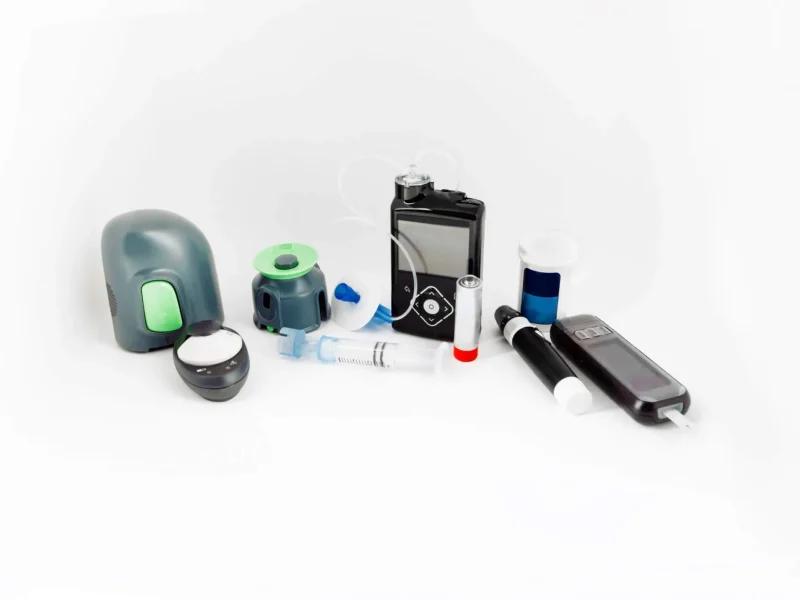
What Makes Unopened Diabetic Supplies Valuable in Secondary Markets
The demand for affordable healthcare products has created strong growth in secondary markets for diabetic supplies. Many individuals living with diabetes require regular monitoring products such as test strips, glucose monitors, and sensors. However, rising healthcare costs often make these items expensive for uninsured or underinsured patients. As a result, unopened diabetic supplies have become highly valuable in resale markets where buyers seek reliable products at lower prices.
The increasing popularity of platforms such as https://morecashforteststrips.com/ reflects how secondary markets continue to expand as more people look for affordable diabetic care solutions. These markets benefit both sellers with unused supplies and buyers searching for cost-effective alternatives.
Growing Demand for Affordable Diabetic Supplies
Diabetes management requires ongoing testing and monitoring. Patients often need test strips several times a day, which can become financially overwhelming. Retail prices for diabetic products remain high in many areas, leading consumers to search for more affordable purchasing options. Secondary markets help bridge this gap by redistributing unused and unopened products to people who need them.
Many buyers prefer unopened diabetic supplies because they provide confidence in product quality and safety. Sealed packaging ensures that the products have not been tampered with or exposed to damaging environmental conditions. Buyers are more willing to purchase items when they know the supplies remain in their original condition.
Insurance and Prescription Changes Create Surplus Supplies
One major reason unopened diabetic supplies enter secondary markets is that patients often accumulate extra inventory. Insurance companies may send larger quantities than needed, or patients may switch to different glucose monitoring systems. Prescription updates and treatment changes can also leave people with unused boxes of test strips or sensors.
Instead of throwing away perfectly usable products, many individuals choose to sell them. This allows them to recover some financial value while helping others access lower-cost diabetic supplies. Secondary markets, therefore, create a practical solution for reducing waste and supporting affordability.
Expiration Dates Strongly Influence Market Value
The expiration date is one of the biggest factors affecting the value of diabetic supplies. Buyers generally prefer products with a long remaining shelf life because they can safely use them over time. Supplies with several months before expiration are considered more reliable and desirable in resale markets.
Companies involved in diabetic supply resale usually require unopened boxes with valid expiration dates. Products close to expiration often receive lower payouts because buyers may not have enough time to use them. Properly stored products with longer expiration windows maintain stronger demand and better resale value.
Brand Reputation Increases Product Worth
Certain diabetic supply brands consistently attract stronger buyer interest. Popular brands are trusted for accuracy, reliability, and compatibility with monitoring systems. Products from companies such as Dexcom, Accu Chek, OneTouch, and Freestyle often maintain higher value in secondary markets because many patients already rely on these systems.
Brand recognition matters because buyers feel more comfortable purchasing products they already know and trust. Reliable brands create confidence in performance and accuracy, which directly impacts demand in resale markets.
Product Condition Plays an Important Role
Unopened diabetic supplies are considered valuable primarily because they remain in their original condition. Sealed packaging helps protect the accuracy of test strips and monitoring products. Exposure to moisture, heat, or damaged packaging may affect performance, making unopened items significantly more desirable.
Most resale companies inspect products carefully before accepting them. Damaged or opened boxes are often rejected because buyers expect dependable supplies that meet safety standards. Proper storage, therefore, becomes essential for maintaining resale value.
Online Resale Platforms Increase Accessibility
Online markets have made it easy for people to sell and buy things. Specialized diabetic supply websites now provide prepaid shipping labels, instant quotes, and fast payment methods. This convenience has helped secondary markets grow rapidly in recent years.
The resale process is simple for many individuals. Sellers can list their unopened supplies, ship them securely, and receive payment after inspection. Buyers benefit by gaining access to lower-priced diabetic products that still meet quality expectations.
Reducing Waste Through Secondary Markets
Another reason unopened diabetic supplies hold value is their ability to reduce medical waste. Millions of unused supplies may otherwise end up discarded each year. Secondary markets extend the usefulness of these products while helping patients who struggle with healthcare expenses.
This creates a practical system where surplus supplies continue serving an important purpose instead of going unused. Both economic and environmental benefits contribute to the long-term growth of diabetic supply resale markets.
Conclusion
Unopened diabetic supplies remain valuable in secondary markets because they provide affordability, reliability, and accessibility for people managing diabetes. Factors such as expiration dates, brand reputation, sealed packaging, and growing healthcare costs all contribute to strong buyer demand. As online resale platforms continue to simplify transactions, more individuals are recognizing the benefits of selling unused diabetic supplies instead of letting them go to waste.

- How to Heal Gastritis Naturally: 6 Daily Changes That Can Soothe Your Stomach - August 11, 2026
- What Makes Unopened Diabetic Supplies Valuable in Secondary Markets - May 21, 2026
- Preparing for your personal injury attorney consultation - May 10, 2026