
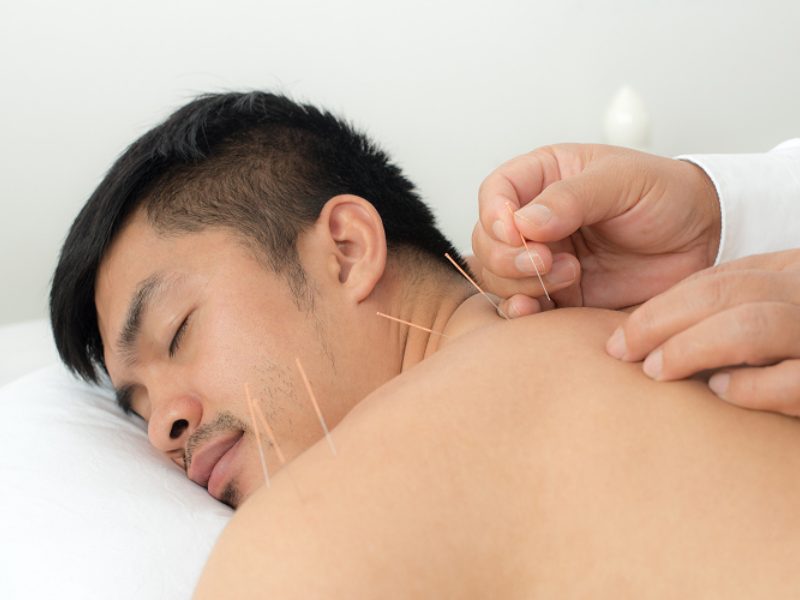
The 8 Hidden Risks of TCM Acupuncture You Should Know
Traditional Chinese Medicine (TCM) has gained immense popularity across Singapore, particularly TCM acupuncture, a centuries-old healing practice said to restore the body’s balance and energy flow. But even with its benefits, many newcomers overlook something important: while generally safe when performed by licensed practitioners, acupuncture carries hidden risks that deserve attention. Understanding these risks can help you make more informed decisions about your health and well-being.
1. The Risk of Unqualified Practitioners
One of the biggest concerns surrounding TCM acupuncture is the growing number of unqualified or unlicensed practitioners offering services. Acupuncturists in TCM clinics at Tampines undergo years of training and accreditation, but there are still cases where individuals operate without proper certification.
Acupuncture involves inserting fine needles into precise points on the body that correspond to internal organs and energy meridians. When performed incorrectly, it can cause bruising, bleeding, or even infection. Always check whether your practitioner is registered under the Traditional Chinese Medicine Practitioners Board (TCMPB).
2. Infection from Poor Sterilisation
A well-run TCM acupuncture clinic should use sterile, single-use needles for every session. Non-sterile or reused needles can introduce bacteria or viruses into the skin, potentially causing localised infections or, in extreme cases, more serious complications.
Singapore’s licensed TCM centres at Tampines adhere to rigorous sterilisation procedures. You should see needles being unwrapped from sealed packaging before use, and all materials disposed of immediately after your session.
3. Bruising, Dizziness, and Temporary Pain
Acupuncture can occasionally cause mild side effects. Slight bruising, tenderness, or small drops of blood may appear where needles were inserted. Some patients also report light-headedness or dizziness. This can occur due to heightened sensitivity or nervousness about the treatment.
To reduce discomfort, it’s best to eat a light meal before your session and stay hydrated. Avoid standing up too quickly after the procedure. Give your body a few minutes to recalibrate.
4. Misplaced Needles and Nerve Sensitivity
Acupuncture relies on precise placement. Inserting a needle at the wrong depth or point could irritate a nerve or cause localised pain. Though rare, improper technique may lead to numbness or a tingling sensation that lasts longer than expected.
This is another reason why it’s crucial to work with certified TCM practitioners at Tampines who understand anatomy, needle depth, and meridian mapping. Experienced acupuncturists can read your body’s feedback in real time. Let your practitioner know immediately if you feel sharp pain, burning, or discomfort.
5. Allergic Reactions and Skin Sensitivity
Though acupuncture needles are made from surgical stainless steel and generally hypoallergenic, some patients experience minor allergic responses to disinfectants, adhesives, or herbal ointments used during treatment.
If you have sensitive skin or known allergies, inform your TCM acupuncture specialist before your session begins. They can use alcohol-free wipes or avoid topical treatments. Taking this precaution ensures that your body focuses on healing.
6. Overreliance on Acupuncture Alone
While acupuncture is effective for many conditions, relying on it exclusively can sometimes delay essential medical care. Acupuncture should complement, not replace, conventional treatments prescribed by your doctor.
Some people seeking TCM at Tampines may stop taking medication prematurely after feeling temporary relief. However, acupuncture works best as part of a holistic approach, supporting your body’s natural healing rather than substituting modern medical interventions.
7. The Emotional “Energy Dip” After Treatment
An overlooked aspect of TCM acupuncture is its emotional after-effect. Some individuals report feeling unusually tired, tearful, or emotionally sensitive for a short period after treatment. This can signal the body releasing blocked energy.
Still, it can be disorienting for first-time patients. If you leave your TCM session feeling drained, it may help to rest, hydrate, and avoid strenuous activity for the rest of the day. Your practitioner can explain what to expect during recovery and how to manage post-session fatigue more comfortably.
8. Acupuncture and Underlying Health Conditions
Though TCM is rooted in natural healing, it isn’t universally suitable for everyone. Patients with bleeding disorders, heart conditions, or those on blood-thinning medications should consult their doctor before starting TCM acupuncture.
Similarly, pregnant women must inform their acupuncturist early on. Certain acupuncture points are avoided during pregnancy as they may stimulate uterine activity. Transparent communication between your healthcare provider and your TCM practitioner ensures safety and coordination in your care plan.
Conclusion
Acupuncture is a time-honoured practice celebrated for its potential to restore balance, relieve pain, and promote holistic health. Like any medical procedure, it’s essential to understand its risks and how to prevent them. By choosing a reputable TCM clinic at Tampines, checking your practitioner’s credentials, and listening to your body, you can enjoy the benefits of TCM acupuncture safely and effectively.
Considering acupuncture for the first time? Speak to Liang Yi TCM and discuss your needs, health history, and goals today.

- How ICSI Thailand Addresses Infertility Challenges - August 18, 2026
- Enhancing Skin Quality Through Expert Led Cosmetic Treatments In Sydney - July 9, 2026
- Clinic Near Me: Your Complete Guide To Fast, Reliable Care 🏥 - April 20, 2026